Made By Teachers Biology Diagrams
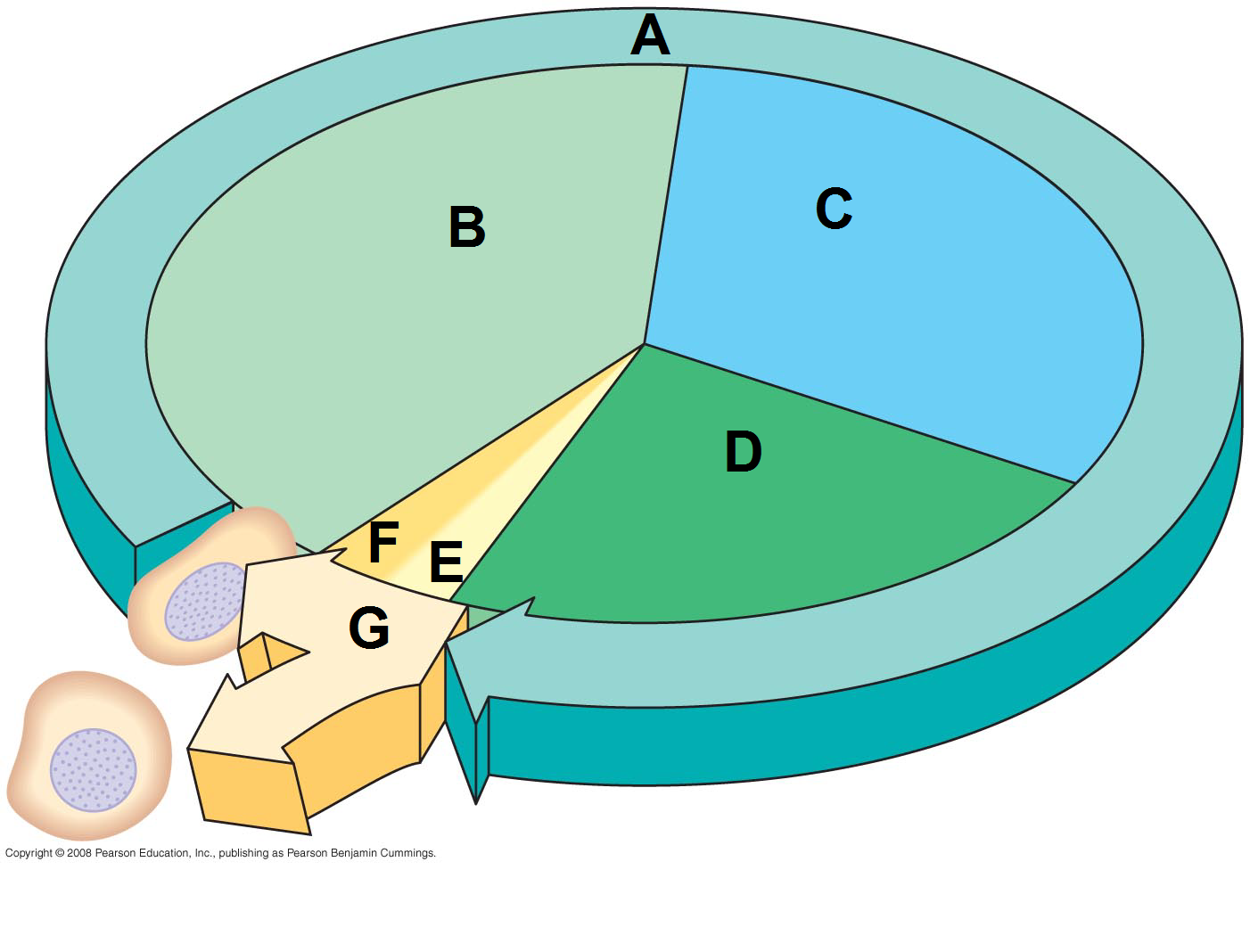
Made By Teachers Biology Diagrams Phases of the Cell Cycle. The cell cycle is a 4-stage process consisting of Gap 1 (G1), synthesis (S), Gap 2 (G2), and mitosis (M), which a cell undergoes as it grows and divides. After completing the cycle it either starts the process again from G1 or exits through G0. From G0, the cell can undergo terminal differentiation.

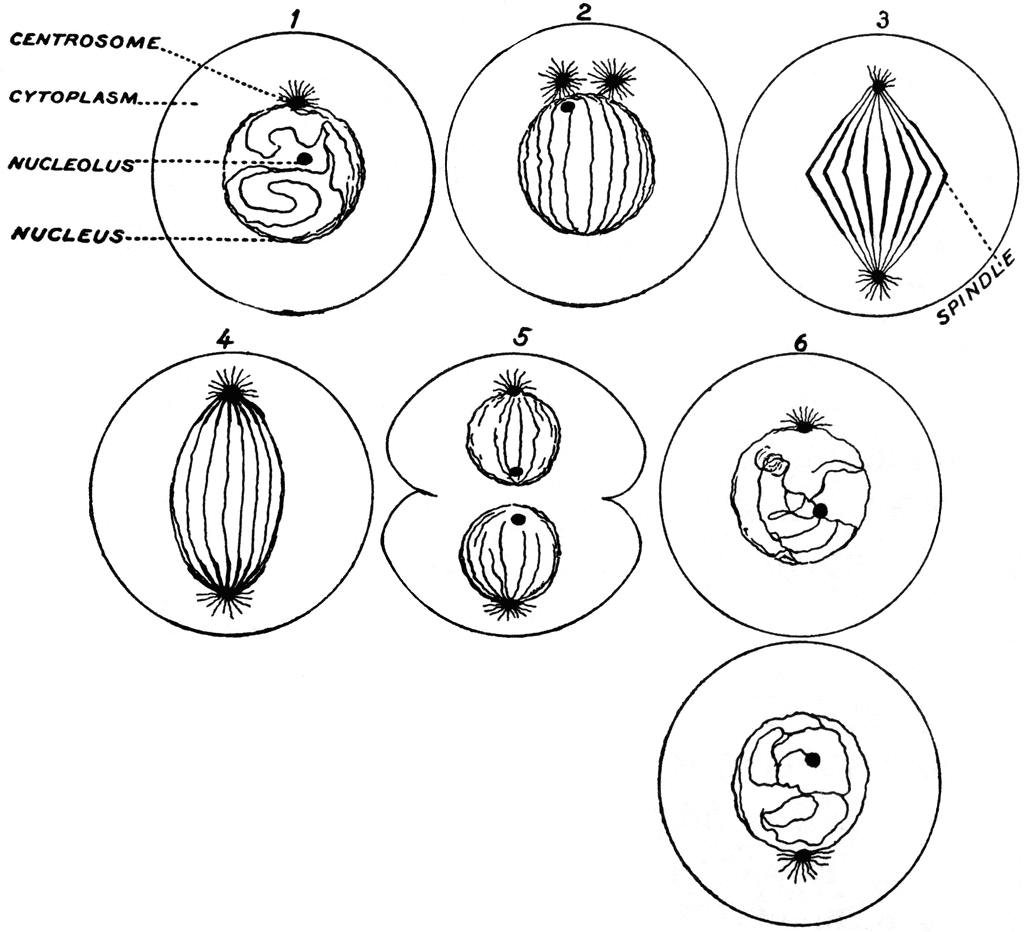
CELL CYCLE Interphase Mitotic Phase - longest phase (90%) (Cell Division) - carrying out normal functions - DNA replication - all other organelles replicated Mitosis centre of cell forming a cell wall between the two new identical daughter cells Made By: Tarim Shahab. Title: Cell Cycle Chart.doc
TeachMePhysiology Biology Diagrams
It is the first phase of the cell cycle, recognized by the growth period where the chromosome gets duplicated as the cell prepares for division. Interphase happens between one cell division or mitotic (M) phase and the next. It is the longest part of the cell cycle involving three sub-phases. The typical duration of this phase is 23 hours. In the cell cycle, interphase doesn't just occur before mitosis—it also alternates with mitosis. It's important to remember that this is a recurring cycle. When mitosis ends, interphase starts up again! In fact, in the grand scheme of the cell cycle, mitosis is a much shorter phase than interphase. (Kelvinsong/Wikimedia Commons) Phase 1

Revise mitosis, the cell cycle and how stem cells work in humans and plants for GCSE Biology, AQA.

AQA Mitosis and the cell cycle Biology Diagrams
G 1 Phase. The first stage of interphase is called the G 1 phase, or first gap, because little change is visible. However, during the G 1 stage, the cell is quite active at the biochemical level. The cell is accumulating the building blocks of chromosomal DNA and the associated proteins, as well as accumulating enough energy reserves to complete the task of replicating each chromosome in the