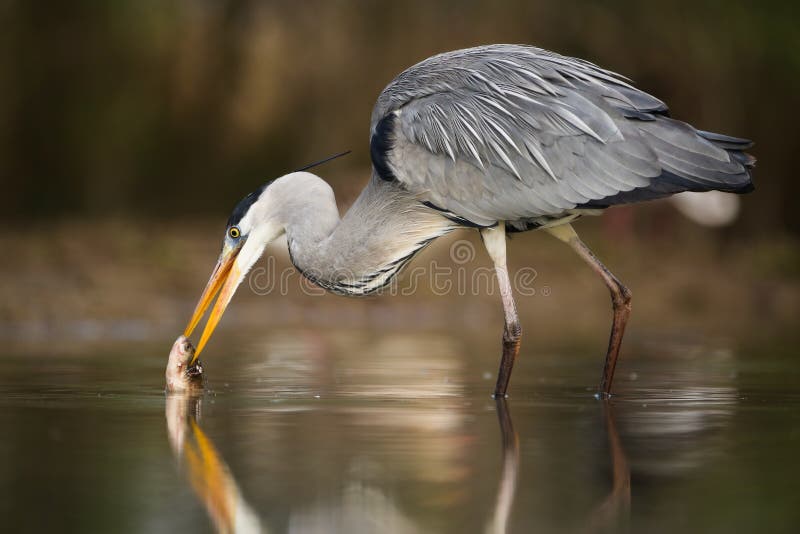
Grey Heron Catching Fish in Swamps in Spring Nature Stock Photo Biology Diagrams
Grey Heron Catching Fish in Swamps in Spring Nature Stock Photo Biology Diagrams A food chain is a linear diagram of the feeding relationships between organisms in an ecosystem.Food webs, which are multidirectional and show relationships between multiple species at the same
A food chain represents a linear sequence in which energy transfers from one organism to another. Each step in the chain involves a transfer of energy from a source, usually the Sun, through various organisms. Food chains start with primary producers, such as plants, and end with top predators or decomposers, which help recycle nutrients back
Learn about the Caroni Swamp by GeneralEcologyGroup5 Biology Diagrams
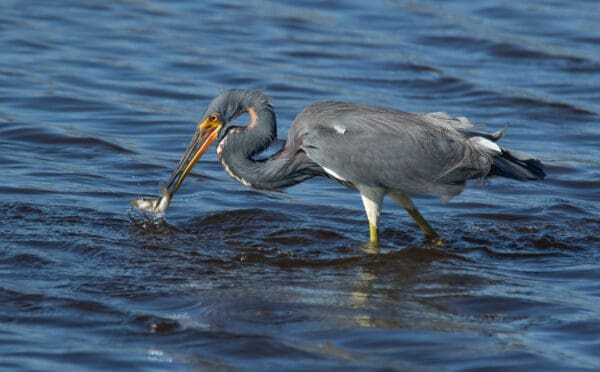
The top level of this food chain are the wading birds, such as egrets or ospreys. They feed on the fish is the community, who take shelter in the roots of the mangrove trees. Other birds of this ecosystem are the white-crowned pigeon, the eastern brown pelican, and the tricolored heron.
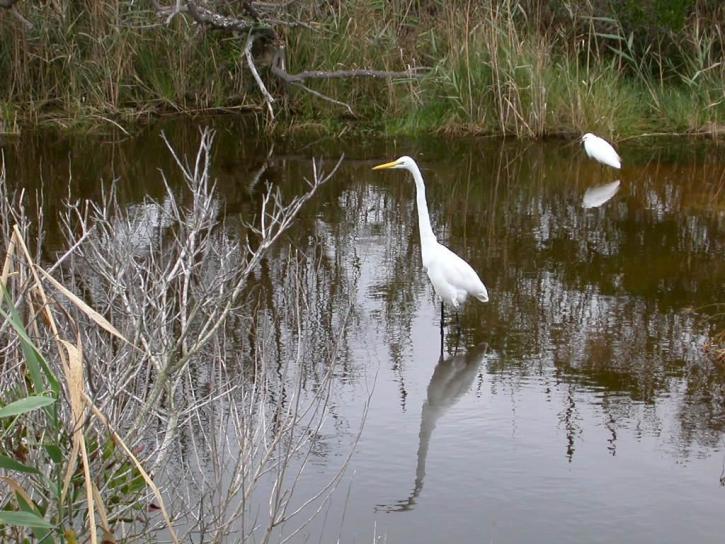
A great example to illustrate how a swamp's food chain has a cyclical nature is the natural death of a crocodile. In the wild, an adult crocodile's large carcass may become a source of energy for multiple levels of the food chain. Opportunistic fish may feed on the immobile crocodile as it sinks to the bottom of the swamp. A slug, frog, heron bid and grass plant are all part of the same food chain, through which process does energy get into the food chain? Which organism is the primary consumer in this food chain? The process is photosynthesis and the primary consumer is the slug
Food Chains/Webs Biology Diagrams
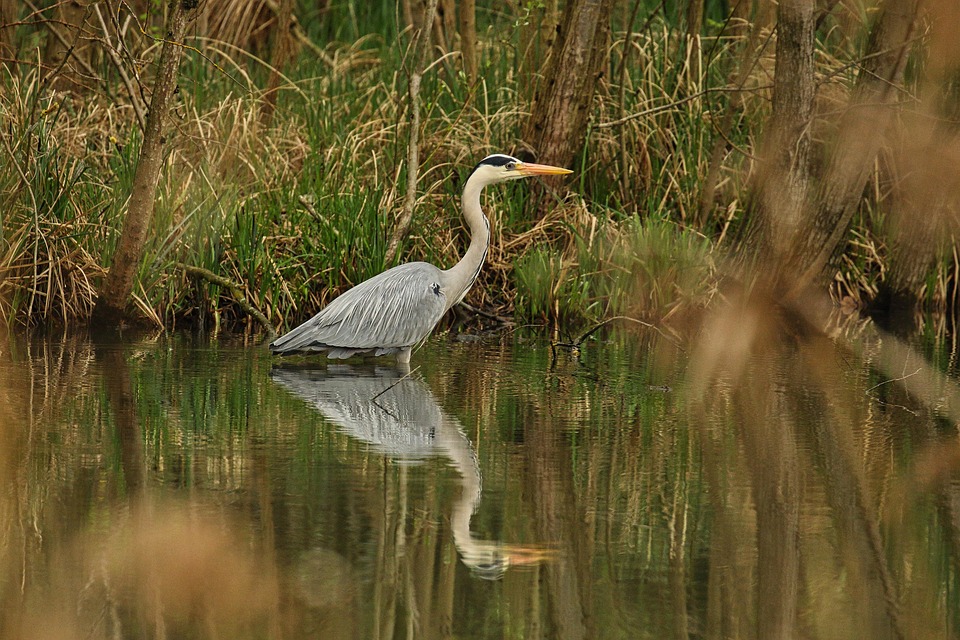
Fish - The most common heron prey, including minnows, sunfish, perch, catfish, carp, and more. Great blue herons eat up to 1 lb of food per day - equal to around 25-35% of their body weight! Marshes & Swamps. Shallow, vegetated wetlands allow herons to wade and stalk abundant fish, frogs, invertebrates.
